
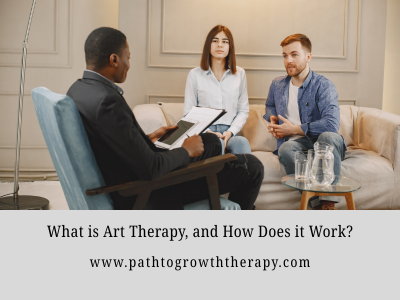
What is Art Therapy, and How Does it Work?

Work With Me
a licensed professional counselor with 15 years of experience in the field. I earned my B.S. in Psychology and Master’s in Counseling from Colorado State University and am the proud owner of Path to Growth Therapy and Trabelsi Coaching & Consulting.
I provide therapy for individuals and couples across Colorado and Washington, and mindset coaching and consulting services to clients worldwide. My specialties include grief, trauma, anxiety, life transitions, and relationship challenges. With a strengths-based, trauma-informed, and action-oriented approach, I help clients move beyond challenges and step into lasting healing and growth.

Meet Sheila
June 23, 2026
Table of Contents
- What Is Art Therapy?
- How Does Art Therapy Work?
- Common Art Therapy Techniques
- Benefits of Art Therapy for Mental Health
- Who Can Benefit From Art Therapy?
- Art Therapy for Anxiety and Stress
- Art Therapy for Trauma Recovery
- Art Therapy vs Traditional Talk Therapy
- What Happens During an Art Therapy Session?
- Finding Mental Health Support in Colorado
- Is Art Therapy Right for You?
- Frequently Asked Questions
- Conclusion
- Schedule Your Consultation
Mental health challenges can affect every part of life. Stress, anxiety, grief, trauma, and relationship difficulties can make it harder to feel balanced and connected. While many people are familiar with traditional talk therapy, there are other approaches that can support emotional well-being. One of these approaches is art therapy.
Art therapy combines creative expression with mental health support. It gives people a way to explore thoughts and emotions through art while working with a trained professional. You do not need artistic talent to benefit from art therapy. The focus is not on creating perfect artwork. Instead, it is about using creativity to better understand yourself and your experiences.
As more people in Colorado seek support for emotional wellness, art therapy services in Colorado continue to gain attention as a helpful tool for self-expression, healing, and personal growth.
What Is Art Therapy?
Art therapy is a mental health approach that uses creative activities to help people express emotions, process experiences, and improve emotional well-being.
Art therapists may use activities such as:
- Drawing
- Painting
- Sculpting
- Collage making
- Coloring
- Visual journaling
The goal is not to create a masterpiece. The artwork serves as a way to explore feelings, thoughts, and experiences that may be difficult to put into words.
Many people find that creating art helps them slow down, reflect, and gain a deeper understanding of what they are going through.
How Does Art Therapy Work?
Art therapy combines creative activities with guided discussion.
During a session, a therapist may invite a client to create artwork related to a specific emotion, memory, challenge, or life event. After the activity, the therapist and client discuss the artwork and what it may represent.
This process can help individuals:
- Identify emotions
- Explore personal experiences
- Build self-awareness
- Reduce stress
- Develop healthy coping skills
Art often allows people to communicate feelings that are difficult to explain through conversation alone.
Common Art Therapy Techniques
Art therapists use different activities depending on the client’s needs and goals.
Some common techniques include:
Drawing and Sketching
Drawing can help people express emotions, reduce stress, and explore personal experiences in a creative way.
Painting
Painting allows individuals to use color, shapes, and movement to communicate feelings and ideas.
Collage Making
Creating a college can help people organize thoughts, explore goals, and reflect on life experiences.
Visual Journaling
Visual journals combine artwork and written reflections. This can support self-awareness and emotional growth.
Sculpting
Working with clay or other materials can help individuals express emotions through touch and movement.
Benefits of Art Therapy for Mental Health
Art therapy offers several benefits that support emotional and psychological well-being.
Helps Reduce Stress and Anxiety
Creative activities can help calm the mind and shift focus away from daily pressures.
Many people report feeling more relaxed after spending time drawing, painting, or creating art. This process can help reduce stress and improve emotional balance.
For individuals seeking support for anxiety, art therapy can complement approaches such as anxiety counseling, online therapy, and EMDR therapy.
Supports Trauma Recovery
Traumatic experiences are often difficult to talk about. Some memories can feel overwhelming or confusing.
Art therapy provides a safe way to explore emotions connected to those experiences. Through creative expression, individuals may begin to process difficult feelings and build healthier ways to cope.
Many people use art therapy alongside trauma therapy as part of their healing journey.
Encourages Emotional Expression
Not everyone finds it easy to talk about their emotions.
Art therapy creates another way to communicate feelings. Colors, images, and creative projects can help people express thoughts that may be difficult to describe with words.
Builds Self-Esteem
Creating something meaningful can improve confidence and encourage a greater sense of accomplishment.
Art therapy focuses on self-expression rather than artistic skill, allowing individuals to explore creativity without fear of judgment.
Improves Self-Awareness
Understanding emotions is an important part of mental wellness.
Art therapy encourages reflection and can help individuals recognize emotional patterns, personal strengths, and areas where support may be helpful.
Who Can Benefit From Art Therapy?
Art therapy can support people from many different backgrounds and life experiences.
It may be helpful for individuals dealing with:
- Anxiety
- Depression
- Trauma
- Grief and loss
- Stress
- Relationship challenges
- Low self-esteem
- Major life transitions
- Personal growth goals
It can also be beneficial for people who simply enjoy creative activities and want a new way to support their mental health.
Art Therapy for Anxiety and Stress
Stress is a common part of life, but ongoing stress can affect both emotional and physical health.
Art therapy encourages mindfulness and focus. By concentrating on a creative activity, people often experience a break from racing thoughts and everyday worries.
For busy professionals, parents, and students, creative expression can become a healthy outlet for managing stress.
Art Therapy for Trauma Recovery
Trauma affects everyone differently.
Some individuals struggle with memories, emotions, or physical reactions connected to past experiences. Art therapy offers a gentle way to explore those experiences without feeling pressured to discuss every detail immediately.
Creative expression can help people process emotions at their own pace while building a stronger sense of safety and control.
Many individuals also explore approaches such as EMDR therapy and trauma therapy when seeking support for trauma recovery.
Art Therapy vs Traditional Talk Therapy
Traditional therapy focuses on conversation and emotional exploration through discussion.
Art therapy includes discussion but also uses creative activities as part of the process.
Both approaches can be effective. Some people prefer talking through challenges, while others find that art helps them express emotions more comfortably.
In some cases, art therapy and traditional counseling can work well together.
What Happens During an Art Therapy Session?
Every therapist has a different style, but most sessions include a few common steps.
Getting Started
The therapist begins by discussing current concerns, goals, and emotional experiences.
Creative Activity
The client participates in a creative exercise using materials such as paint, markers, clay, or paper.
Reflection
The artwork becomes part of a conversation about emotions, experiences, and personal insights.
The focus remains on understanding feelings rather than judging artistic ability.
Finding Mental Health Support in Colorado
Colorado residents have access to many forms of mental health support, including individual therapy, online therapy, relationship counseling, and trauma-focused approaches.
The best therapy approach depends on each person’s goals, experiences, and comfort level.
At Path to Growth Therapy, helping individuals better understand their options is an important part of supporting emotional wellness and personal growth.
Is Art Therapy Right for You?
Art therapy may be worth exploring if:
- You find it difficult to express emotions through words
- You enjoy creative activities
- You are coping with stress or anxiety
- You are working through grief or trauma
- You want to improve self-awareness
- You are looking for new ways to support emotional health
You do not need artistic experience to benefit. A willingness to explore your thoughts and feelings is far more important than artistic skill.
Frequently Asked Questions
1. Can art therapy help with anxiety?
Yes. Art therapy can help reduce stress, encourage relaxation, and provide a healthy outlet for expressing emotions. Many people find it helpful alongside other mental health support services.
2. Is art therapy useful for trauma recovery?
Art therapy can help individuals explore emotions connected to difficult experiences. It is often used alongside approaches such as EMDR therapy and trauma-focused counseling.
3. What age groups can benefit from art therapy?
Art therapy can support children, teenagers, adults, and older adults. Creative expression can help people of all ages better understand and process emotions.
4. How long does an art therapy session last?
Most sessions last between 45 and 60 minutes. The exact length may vary depending on the therapist, setting, and individual needs.
5. Can art therapy be combined with other forms of therapy?
Yes. Art therapy is often combined with individual therapy, online therapy, EMDR therapy, and other mental health approaches to support emotional well-being.
Conclusion
Art therapy offers a creative and meaningful way to support mental health. Through artistic expression and guided reflection, individuals can better understand their emotions, reduce stress, build confidence, and work through difficult experiences.
Whether you are managing anxiety, coping with trauma, processing grief, or simply seeking personal growth, art therapy can provide valuable support. Understanding how it works is an important first step toward deciding whether it may be a helpful part of your mental health journey.
Schedule Your Consultation
Taking the first step toward better mental health can feel overwhelming, but you do not have to do it alone. A 15-minute consultation gives you the opportunity to ask questions, discuss your goals, and explore whether therapy is the right fit for your needs. Connect with Path to Growth Therapy today and begin your journey toward healing, growth, and emotional well-being.
Leave a Reply Cancel reply
| DESIGNED BY ADP
© 2026 PATH TO GROWTH THERAPY
| Privacy Policy
PATH TO GROWTH THERAPY
(970)-344-9177
pathtogrowththerapyllc@gmail.com
HOURS: Sundays 8 AM-1 PM
Monday 10 AM-3 PM
Tuesday 10 AM-3 PM
Wednesday 10 AM-3 PM
Thursday 10 AM-12 PM (varied)
Fridays/Saturdays Closed/Intensives Only
REVIEW US HERE
TERMS

