Healing Your Inner Child Through Reparenting and EMDR
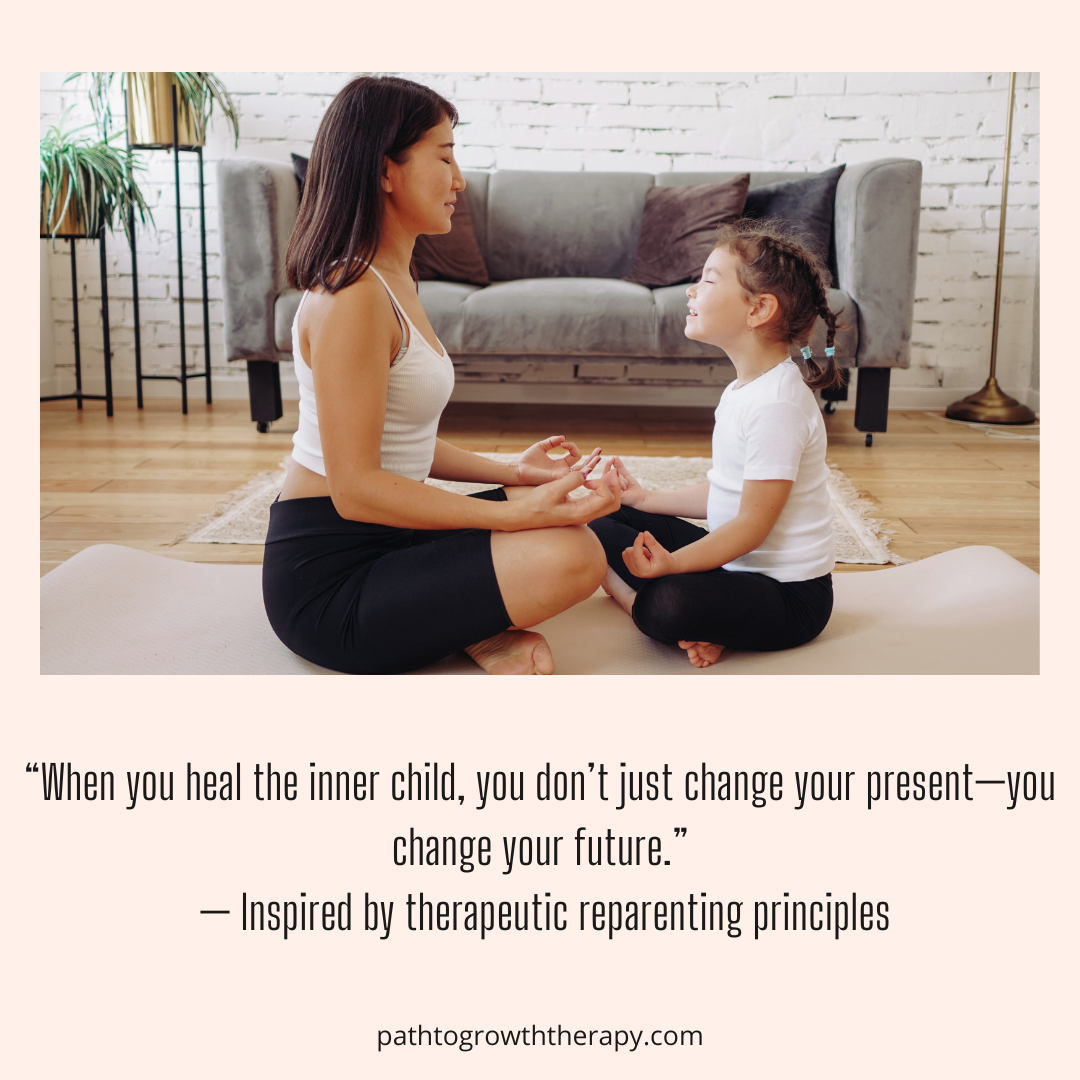
Table of Contents
- Understanding Inner Child Healing
- Reparenting Yourself: A Guide to Healing and Self-Compassion
- Techniques for Reparenting
- How Reparenting Improves Emotional Regulation and Relationships
- Frequently Asked Questions
- Therapy Can Help
Your inner child is the part of you that holds onto your earliest experiences, emotions, and needs. These parts often show up in our relationships, in our reactions, and in the stories we carry about ourselves. Healing these wounds doesn’t mean erasing the past, but rather offering the compassion, attention, and nurturing we may not have received when we needed it most.
In this blog, we’ll explore what inner child wounds are, how they affect your adult life, and what reparenting looks like in practice. We’ll also share how EMDR therapy online in Washington and EMDR intensives can be powerful tools to help you reconnect with and heal your inner child.
Understanding Inner Child Wounds: What They Are and How They Impact Your Relationships
What is the inner child? The inner child is a psychological concept referring to the childlike part of our psyche that holds onto early memories, needs, joys, and wounds. It is that vulnerable, emotional part of you that still desires connection, validation, and safety.
Common childhood wounds include:
- Abandonment: Emotional or physical absence from caregivers
- Neglect: Basic emotional or physical needs not being met
- Criticism: Harsh judgment or conditional love
- Rejection: Feeling unlovable or unwanted
- Enmeshment: Feeling responsible for others’ emotions
“Unresolved childhood trauma, especially attachment-related injuries, has been linked to increased difficulties in adult romantic relationships, particularly in the areas of trust, intimacy, and emotional regulation”(Mikulincer & Shaver, 2007). These wounds often stem from early relational experiences and, left unhealed, can create patterns that affect our adult relationships. You might:
- Fear abandonment and cling in relationships
- Avoid intimacy to protect yourself from hurt
- Constantly seek validation or feel “not enough”
- Be overly self-critical or people-pleasing
These patterns aren’t flaws. They’re protective strategies developed to survive emotionally. “Early experiences of emotional neglect or inconsistent caregiving shape our core beliefs and emotional responses—often leading to hypervigilance or avoidance in adult interactions”(Siegel, 2012). Healing begins by recognizing the need underneath the pattern.
Reparenting Yourself: A Guide to Healing and Self-Compassion
What is reparenting? Reparenting is the practice of giving yourself the emotional care, safety, and nurturing that may have been missing in childhood. It’s not about blaming your parents. It’s about recognizing that you now have the power and capacity to care for yourself in a way your inner child needed then. “Reparenting is rooted in the concept of neuroplasticity—the brain’s ability to rewire itself based on new experiences. Through compassionate practices, we can recondition our nervous system and emotional patterns”(Cozolino, 2010).
Identifying unmet childhood needs involves reflecting on:
- Times you felt scared, alone, or not good enough
- Your emotional needs that were overlooked
- What you wish someone had said to or done for you
Once you identify those gaps, you can begin to fill them in with intentions. “Compassion, a core skill in reparenting, has been shown to reduce anxiety, increase resilience, and improve overall emotional well-being”(Neff & Germer, 2013).
Techniques for Reparenting
Here are six tangible ways you can start to reconnect with and reparent your inner child today:
1. Write a Letter to Your Younger Self
Sit down and write to yourself at a specific age. Use gentle, validating language. Reflect on what they went through and what they needed. This allows emotional expression and opens a path for compassion.
2. Inner Child Visualization
Close your eyes and picture your younger self approaching you. What do they need? How do they look? Comfort them. Speak to them kindly. This technique promotes emotional attunement and helps you build safety within.
3. Self-Soothing Rituals
This might look like wrapping yourself in a blanket, coloring, watching a childhood movie, or playing soft music. These practices help regulate your nervous system and affirm that you are safe now.
4. Affirmations & Mirror Work
Speak loving words to yourself in the mirror:
- “You are enough.”
- “You are safe now.”
- “You are worthy of love.” This is a powerful way to shift internal beliefs and meet emotional needs.
5. Set Boundaries as the Parent You Needed
Reparenting means protecting your time, energy, and heart. Ask yourself, “What would my inner child need right now?” Then act on that.
6. EMDR + Inner Child Work
Through Eye Movement Desensitization and Reprocessing (EMDR), we can revisit and reprocess early experiences that may still be impacting you. EMDR allows us to move through old pain and create new, empowering beliefs. “EMDR therapy has been shown to significantly reduce symptoms of PTSD and other trauma-related conditions, including those tied to childhood adverse experiences”(Shapiro, 2018; van der Kolk, 2014). In our practice, we also offer EMDR intensive therapy, which allows for deeper, focused healing over a shorter time frame.
These intensives are particularly helpful for:
- Clients who want accelerated progress
- Individuals who can’t commit to weekly sessions
- Those working through childhood trauma, grief, or attachment wounds
In sessions, we often pair EMDR with inner child work, creating a space for you to revisit those early emotional moments with support and regulation strategies. You’ll learn to build internal safety and connect with parts of you that may have felt left behind.
How Reparenting Improves Emotional Regulation and Relationships
Reparenting enhances your ability to regulate emotions, communicate needs, and feel grounded in who you are. When your inner child feels safe, your adult self can:
- Respond instead of react
- Make empowered choices
- Set healthy boundaries
- Develop deeper connections
You begin to operate from a place of love and trust, rather than fear and survival, which is a key part of Emotional Regulation for Relationships.
Frequently Asked Questions
1. What does “inner child healing” actually mean in therapy?
Inner child healing means addressing emotional wounds formed in childhood that still affect adult thoughts, behaviors, and relationships. It involves building self-awareness, compassion, and safety within yourself to heal unmet emotional needs from early experiences.
2. How do I know if my inner child is wounded?
Signs of inner child wounds include fear of abandonment, people-pleasing, emotional reactivity, difficulty trusting others, or feeling “not enough.” These patterns often stem from early experiences of neglect, criticism, or inconsistent emotional caregiving.
3. What is reparenting and how does it help emotional healing?
Reparenting is the process of giving yourself the emotional support, safety, and validation you may not have received in childhood. It helps reshape internal beliefs, improve emotional regulation, and build healthier relationships with yourself and others.
4. Can inner child work improve relationships and attachment patterns?
Yes, inner child work can improve relationships by reducing reactive patterns, increasing emotional awareness, and strengthening boundaries. As healing occurs, individuals often feel more secure, communicate needs clearly, and form healthier emotional connections.
5. How does EMDR therapy help with childhood trauma?
EMDR helps reprocess distressing childhood memories so they no longer feel emotionally overwhelming. It reduces emotional intensity linked to past experiences and supports the development of healthier beliefs about safety, worth, and relationships.
Therapy Can Help
Healing your inner child doesn’t happen overnight. It takes compassion, patience, and support. At Path to Growth Therapy, we specialize in trauma-informed care, EMDR therapy, and helping clients reconnect with their inner selves. Our EMDR intensives are designed to help you move through blocks and shift lifelong patterns.
Whether you’re ready to begin your healing journey or deepen the one you’re already on, we’re here to help.
Take the next step and schedule a consultation for an intensive or to learn more about working with us.
Just remember you are not broken. You’re becoming.
Like to read research and want to know more, check out the following:
Cozolino, L. (2010). The Neuroscience of Psychotherapy: Healing the Social Brain. W. W. Norton & Company.
Mikulincer, M., & Shaver, P. R. (2007). Attachment in Adulthood: Structure, Dynamics, and Change. Guilford Press.
Neff, K. D., & Germer, C. K. (2013). A pilot study and randomized controlled trial of the mindful self‐compassion program. Journal of Clinical Psychology, 69(1), 28–44.
Shapiro, F. (2018). Eye Movement Desensitization and Reprocessing (EMDR) Therapy: Basic Principles, Protocols, and Procedures (3rd ed.). Guilford Press.
Siegel, D. J. (2012). The Developing Mind: How Relationships and the Brain Interact to Shape Who We Are (2nd ed.). Guilford Press.
Solomon, R. M., & Shapiro, F. (2008). EMDR and the adaptive information processing model: Potential mechanisms of change. Journal of EMDR Practice and Research, 2(4), 315–325.
Van der Kolk, B. A. (2014). The Body Keeps the Score: Brain, Mind, and Body in the Healing of Trauma. Viking.
April 29, 2025
Leave a Reply


